At
first glance Chinese language seems to be a pictographic language in
the sense that it consisted of writing by means of pictures all or most
of which. The concept of an ideographic writing is a very seductive
notion leading us to the dream of the universal language. There is great
appeal in the concept of written symbols conveying their message
directly to our minds, thus by passing the intermediary of speech. And
it seems so plausible to an artist.
The
concept of Chinese writings as a means of conveying ideas without
regard to speech took hold as part of the “chinoiserie fad” among
Western intellectuals that was stimulated by the generally highly
laudatory writings of Catholic missionaries from the sixteenth to the
eighteenth centuries. For a long time in Europe, the belief that written
Chinese was ideographic prevailed. Jesuits also thought that Noah’s ark
landed somewhere in China, suggesting that Chinese language was the
genuine language of human kind.
A
more authoritative description of Chinese writing was advanced by the
renowned Jesuit missionary Matteo Ricci (1552-1610). European readers
learned that the Chinese have a system of writing "similar to the
hieroglyphic signs of the Egyptians" and that they "do not express their
concepts by writing, like most of the world, with a few alphabetic
signs, but they paint as many symbols as there are words."
Chinese
language was originally designed to express the will of the gods. It
was then conventionalized and simplified during 3 000 years. With
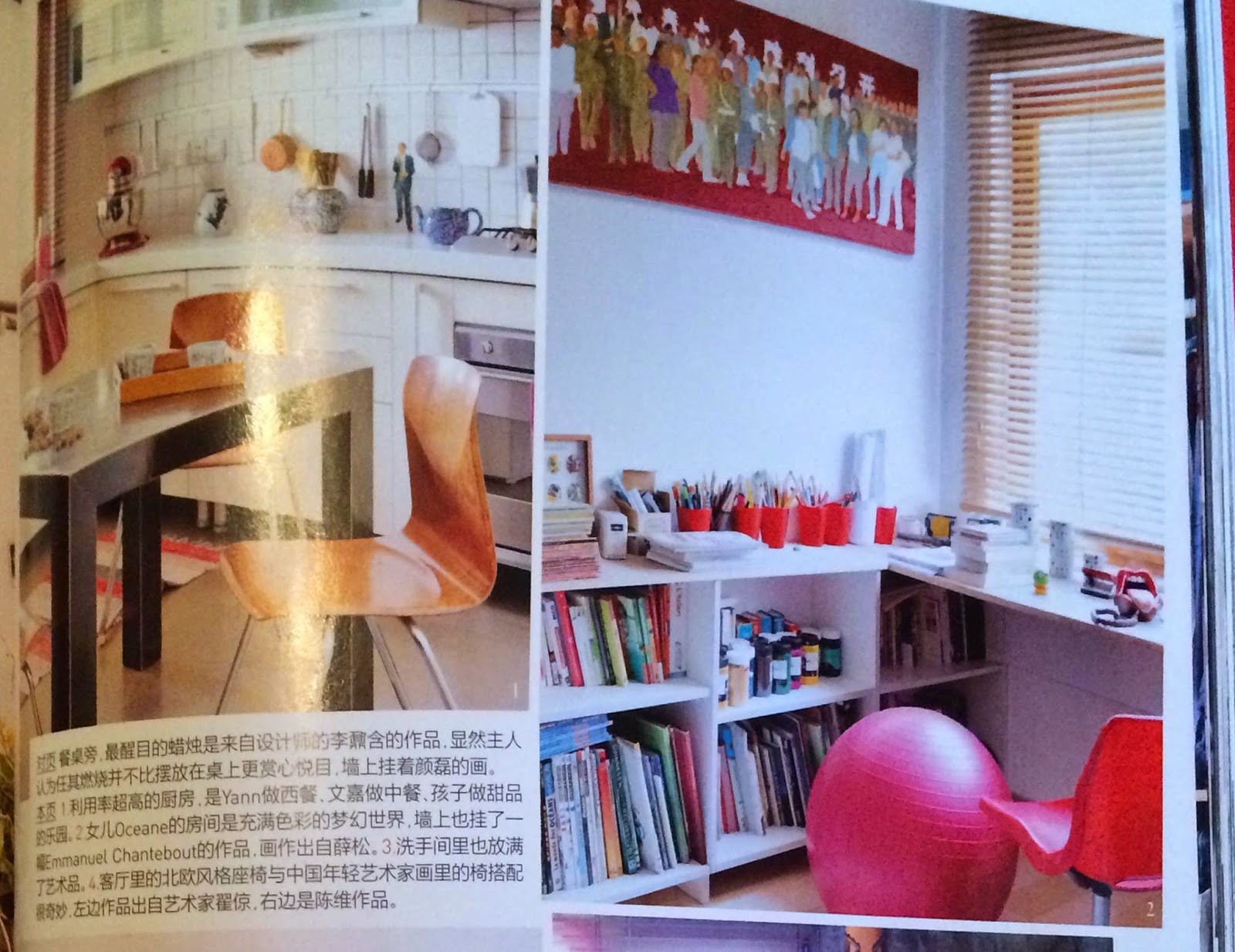
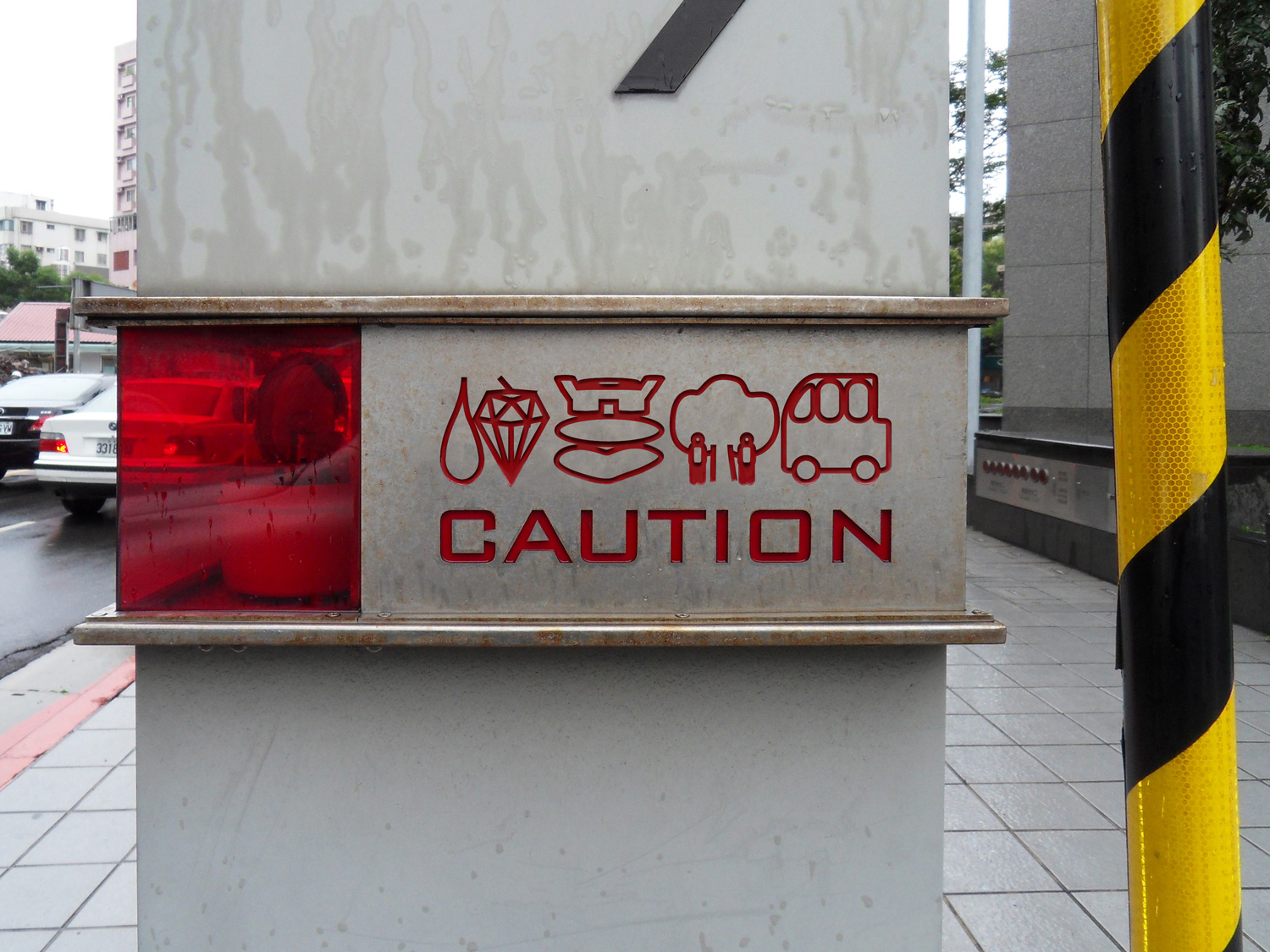
SINOGLYPHS, Emmanuel CHANTEBOUT, thought his personal reverse
engineering of the Chinese characters, is making Chinese writing
figurative again at the ultimate stage of its evolution in a
contemporary world. He restages, through his photographs, everyday life
experiences with a twist.
The Centered
n°25, Lane 290, Zhongshan North Road, Sec. 6, Shilin District, Taipei City, 11161